
Protecting Your Energy as a Lean Ecommerce Founder
Running an ecommerce business as a solo founder is not just mentally demanding. It is physically demanding too, even if you spend most of your time behind a screen.
Long hours sitting. Constant low-level stress. Irregular routines. Thinking late into the evening. Over time, this takes a toll.
The Hustle Culture Energy Trap
Ecommerce culture quietly rewards exhaustion. Long hours. Energy drinks. Nicotine. Late nights framed as commitment.
On the surface, it looks like dedication. In reality, it is often unmanaged stress masked by stimulation.
Stimulants can keep you alert, but they do not create clarity. They borrow energy from tomorrow while convincing you that you are “on.”
If a business requires constant artificial stimulation to sustain output, the system is already broken.
Your energy is not a side issue. It is one of the most important assets your business has.
Why Energy Problems Show Up as Business Problems
When energy drops, it rarely announces itself clearly. It shows up indirectly.
Decision-making becomes harder. Small issues feel bigger than they are. Motivation fluctuates. Confidence dips. You may start questioning things that were previously clear.
From the outside, this can look like a business problem. In reality, it is often an energy problem first.
I have seen this pattern repeatedly, both in my own ecommerce journey and in others. When energy is low, judgement suffers. When judgement suffers, mistakes multiply.
Protecting energy is not about being “healthy.”
It is about protecting decision quality – and decision quality is the real growth lever in ecommerce.
Working From Home Changes the Rules
Working from home brings freedom, but it also removes natural boundaries.
There is no commute to signal the start or end of work. No physical separation between business and life. Without intention, work can quietly stretch into everything.
When your office is always open, fatigue does not come from workload alone. It comes from never fully stopping – especially when you are also a parent, managing family life alongside the business.
I had to learn to build boundaries deliberately.
That meant recognising that just because I could work more did not mean I should. It also meant accepting that stepping away from the laptop was not avoidance. It was maintenance.
How I Think About Fitness Now
Fitness is often framed as something aesthetic or optional. For me, it is neither.
I treat fitness as part of my operating system.
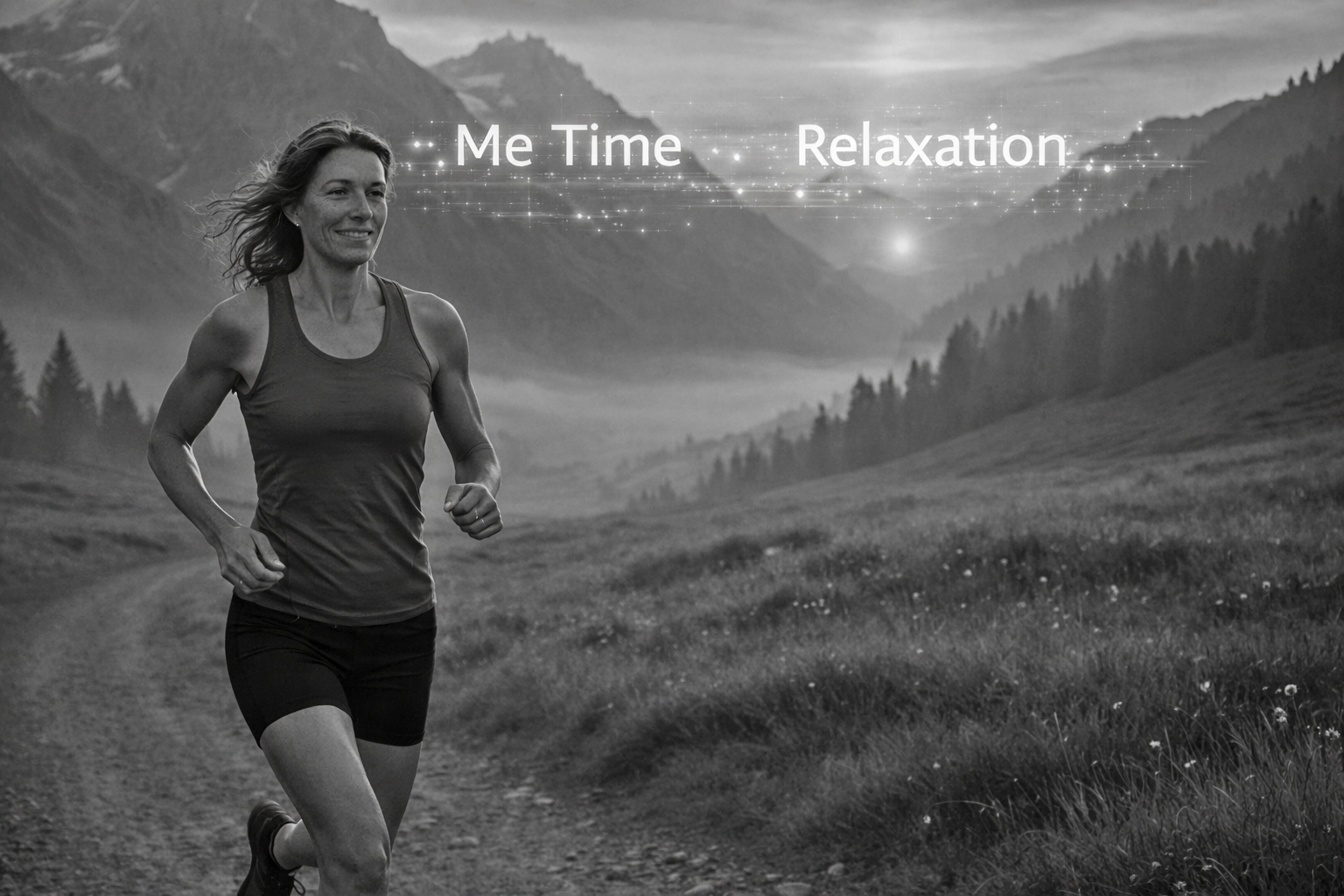
Movement clears my head. It stabilises my mood. It improves sleep. Most importantly, it gives me space away from screens and decisions. Some of my clearest thinking happens when I am moving, not when I am trying to force solutions at my desk.
This is not about extreme routines. It is about consistency.
I do not train to exhaustion. I move to stay capable.
Why Consistency Beats Intensity Again
Just like in business, intensity in fitness is rarely sustainable. Long gaps followed by bursts of effort lead to injury, burnout, or both.
What works is a steady rhythm.
Regular movement. Manageable sessions. Enough to support energy, not drain it.
This mirrors everything else you are building. Small actions, repeated, compound quietly.
Sleep Is Not Negotiable
For a long time, I treated sleep as flexible. Something I could trade for more work when needed.
Eventually, it became clear that poor sleep made everything harder. Decisions took longer. Patience shortened. Perspective narrowed.
Protecting sleep became non-negotiable.
This meant:
- finishing work at a reasonable time
- not carrying unresolved decisions into the evening
- creating an actual end to the workday
Sleep is not recovery from work. It is preparation for better work tomorrow.
Managing Stress Without Ignoring Reality
Ecommerce comes with uncertainty. Sales fluctuate. Things go wrong. Stress cannot be eliminated entirely.
What can be managed is how long stress stays in the system.
Movement helps here. So does stepping away from constant monitoring. So does having a clear execution rhythm, as we discussed in the previous post.
Stress becomes damaging when it is constant and unresolved. When it is allowed to move through, it loses its grip.
Energy as a Long-Term Strategy
One of the biggest mindset shifts for me was realising that I am building something long-term.
This is not a sprint. It is not even a marathon. It is an ongoing practice.
If the business requires me to sacrifice health, relationships, or peace of mind to function, then the design is flawed.
A lean ecommerce business should support life, not consume it.
What Endurance Sport Taught Me About Recovery
Long before ecommerce, I learned something important through endurance sport. Progress does not come from constant effort. It comes from effort followed by recovery.
In cycling, you never train hard every day. If you do, performance drops. Fatigue builds. Eventually, you break down instead of building up.
The same principle applies to business.
For years, I treated work as if more was always better. Longer days. Fewer breaks. Pushing through tiredness. It felt disciplined, but it was short-sighted.
What endurance sport taught me is that recovery is not a pause from progress. It is part of progress.
Daily Recovery: Ending the Day Properly
In training, recovery starts immediately after effort. You cool down. You refuel. You stop.
I had to learn to do the same with work.
Daily recovery means having a clear end to the day. Closing the laptop. Letting the nervous system settle. Not carrying unresolved decisions into the evening.
When days end cleanly, sleep improves. When sleep improves, judgement improves. The next day starts from a stronger place.
This is not about doing less. It is about stopping properly.
Weekly Recovery: Creating Space to Reset
In cycling, the week has structure. Hard sessions are followed by easier days. There is rhythm.
This mirrors the weekly review we talked about earlier. The review is not just for planning. It is also a psychological reset.
Once the week has been reviewed and the next one outlined, mental tension drops. You stop ruminating. You allow yourself to step back.
That step back is recovery.
Without it, weeks blur together and fatigue accumulates quietly.
Monthly Recovery: Stepping Back to See the Bigger Picture
In training blocks, there are lighter weeks. They prevent burnout and allow adaptation.
Business needs the same.
Every so often, I deliberately step back and look at the bigger picture. Not to optimise, but to reflect. What is working? What feels heavy? What no longer fits?
These moments often bring clarity that constant effort never does.
They also remind you that the business is a long game.
Yearly Recovery: Why Breaks Are Non-Negotiable
In endurance sport, the off-season matters as much as the season. Without it, careers end early.
The same is true in business.
Time away is not indulgence. It is what allows you to return with perspective. Without breaks, creativity dulls. Motivation thins. Decisions become reactive.
I now treat longer breaks as structural, not optional. They are part of how I stay capable year after year.
Why Founders Struggle With Recovery
Many founders associate recovery with weakness or lack of commitment. Especially if they are used to pushing themselves.
I had to unlearn that.
Recovery is not stepping away from responsibility. It is taking responsibility for your capacity to lead.
A fatigued founder is not more committed. They are more vulnerable.
Building Recovery Into the Business Design
The key lesson from endurance sport is simple. You do not add recovery once you are broken. You build it into the system.
Daily stops. Weekly resets. Periodic step-backs. Longer breaks.
When recovery is built in, progress becomes steadier. Confidence stabilises. The business feels less fragile.
This is how you stay in the game for the long term.
What I No Longer Compromise On
Over time, I became clear on a few things I no longer negotiate:
- regular movement
- clear work boundaries
- adequate sleep
- time away from screens
- space to think
These are not rewards. They are requirements.
Interestingly, once these were in place, the business improved. Decisions became clearer. Execution steadier. Confidence more grounded.
Why This Is Part of Being a Lean Founder
Being lean is not just about money. It is about efficiency across the whole system.
A fatigued founder is not efficient. A burned-out founder is not lean. They are vulnerable.
Protecting energy reduces risk.
It allows you to stay in the game longer, adapt more intelligently, and make decisions from a place of strength rather than depletion.
Key Points to Take With You
- Energy problems often show up as business problems.
- Decision quality depends on physical and mental wellbeing.
- Working from home requires deliberate boundaries.
- Fitness supports clarity, not aesthetics.
- Consistency matters more than intensity.
- Sleep prepares you for better decisions.
- Stress needs movement and resolution, not suppression.
- A lean business should support a sustainable life.
If you have felt tired, flat, or stretched thin while building your ecommerce business, this is not a personal weakness. It is a signal.
Your business does not need you to sacrifice yourself to succeed. It needs you steady, clear, and capable.
Protecting your energy is not stepping away from the work. It is how you stay able to do it well, for the long term.
You Might Also Like These: